TV, radio, and press coverage of the lab’s work — and the people behind it.
BBC Breakfast, BBC One, 24 July 2025
Our very own PhD student Idris Adams wowed the nation with his insights into the world of wasps, marking 2026 as an excellent “wasp summer” with the warm, dry spring and plenty of prey.
Sumner, S. (2025) What to do when wasps crash your picnic – a scientist’s guide to dining safely with these insects. The Conversation (July 2025) — republished in The Independent, BBC Online, and featured in The Sunday Times, plus republished in French, Spanish and Chinese. This was the second most-read article in The Conversation written by a UCL author in 2025, reaching over 90,000 readers.
Where Are the Wasps? Summer 2026
A flip-flop spring — warm to wet, chilly to cooking — followed by a succession of heatwaves might explain the apparent shortage of social wasps in the UK this year. Read about it in Seirian’s article in The Conversation. Surprising interest from the media in this — and the link with a large number of flies. This also became an opportunity to recruit members of the public to tell us what wasps at their picnics are eating, in the Wasp Picnic Survey 2026, run by PhD student Femi Benny.
Media highlights
-
Radio 4 Today Programme (31/7/26)
- The Times (31/7/26)
- The Telegraph (31/7/26)
-
Times Radio (1/8/26)
- LBC Radio (1/8/26)
World of Wasps Media, June–September 2025
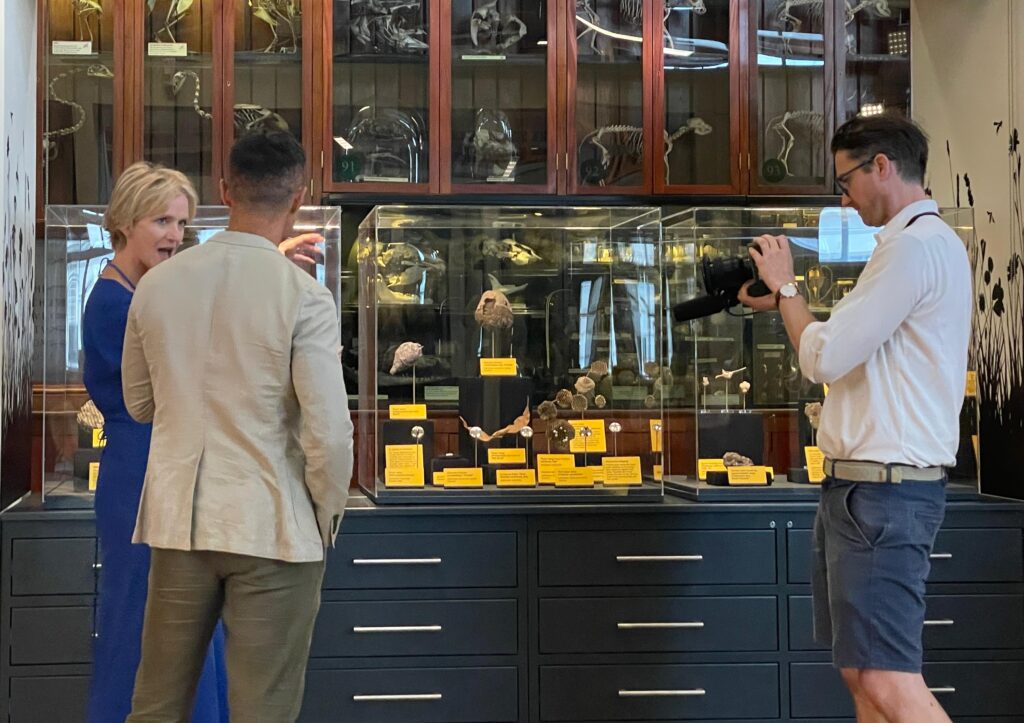
The World of Wasps exhibition, held at UCL’s Grant Museum of Zoology (June 2025 – January 2026), attracted a lot of media interest. The exhibition and our lab’s work featured on BBC News, over 30 BBC regional radio channels, and hit international media with CNN.
The Conversation, 23 August 2024
Where the UK’s wasps have gone and why they need your help
“I get twitchy about taking holidays at the end of August, because it’s the only time of year when people (and the media) in the UK seem to want to talk about wasps and I have spent my career trying to change people’s minds about these fascinating insects.
Typically, the UK wasp hysteria season peaks around August bank holiday, when we’re squeezing the last alfresco dining out of summer. Inevitably, along comes a yellowjacket wasp or two. The media follow with headlines themed on wasps on the attack. My colleagues and I step in with a defence of wasps, about their important role in ecosystems as pest controllers and pollinators and how their life history helps explain their behaviour.”
Observer feature, 23 May 2022
“In The Wasp Woman, a 1959 B-movie directed by Roger Corman, the owner of a failing cosmetics company becomes the test subject for a novel anti-ageing formula manufactured from the royal jelly of wasps. Janice Starlin, played by Susan Cabot, appears 20 years younger in a matter of days, but inevitably transforms into a monstrous creature – half-woman, half-wasp – who goes on to brutally murder and devour a string of unfortunate men. It mattered not that bees, rather than wasps, produce royal jelly. The Bee Woman? Nowhere near as terrifying.
Unlike bees, which we adore for their honey and waggle dances, wasps have suffered from a poor public image for millennia. In the 4th century BC, Aristotle dismissed wasps as ‘devoid of the extraordinary features that characterise bees’, adding conclusively, ‘they have nothing divine about them’. Since then you’d struggle to find a sympathetic cultural portrayal of wasps. Swarms of wasps smite unbelievers in the Bible. Shakespeare warns of waspish behaviour. We disparage the snobbishness of WASPs. The Wasp Woman epitomised the nightmarish (and somewhat sexist) association we have with the archetype. Wasps are narrow-waisted huntresses to be feared. Or at the very least, swatted away.”
Start the Week, BBC Radio 4, 24 May 2022
“Adam Rutherford explores how other species can help us understand our own…
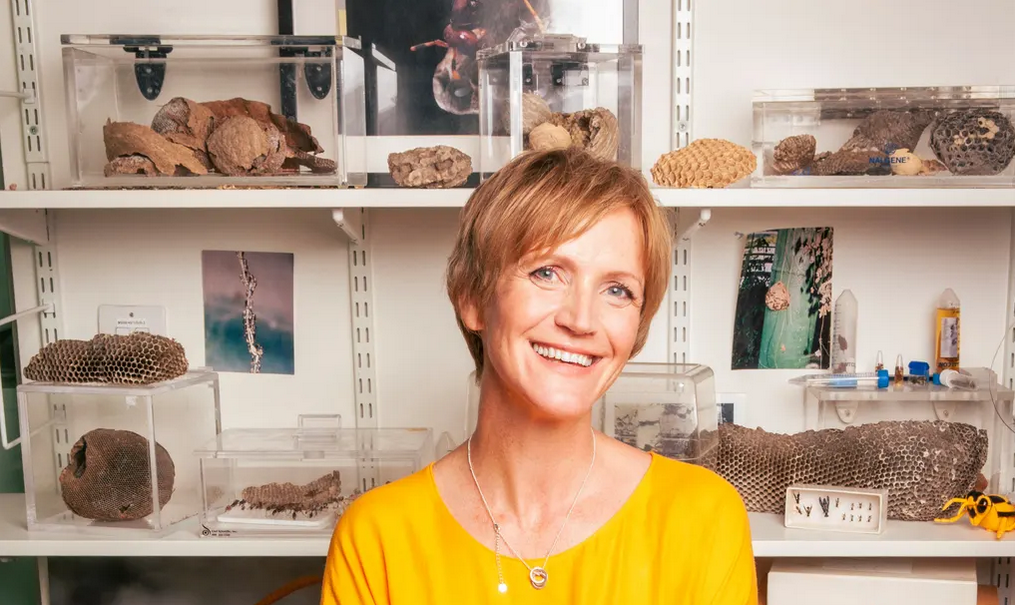
While ants and honey bees are often held up as exemplars of social cohesion, the entomologist Seirian Sumner wants to rehabilitate the much-maligned thug of the insect world, the wasp. In Endless Forms: The Secret World of Wasps she shows how wasps are older, cleverer and more diverse than their evolutionary new-comer the bee. And she makes the case that they hold hidden treasures of relevance to human culture, survival and health, and one species even taught us how to make paper.”
BBC Radio 5, Naga Munchetty, 23 May 2022
Starting 1 hour 40 minutes in. No longer available on BBC Sounds — the original episode has since been removed by the BBC.